In the ever-evolving landscape of technology, the threats posed by cybercrime have become more sophisticated and challenging to combat. As businesses and individuals alike rely more heavily on digital systems, the need for strong cybersecurity measures has never been more critical. This is where the field of computer forensics plays a crucial role, connecting the gap between cyber threats and effective response strategies. By employing forensic data analysis techniques, cybersecurity professionals can examine incidents, collect evidence, and ultimately help to reduce the impact of cyber threats.
Computer forensics, often referred to as digital forensics, provides specific tools and methodologies designed to uncovering the intricacies of cyberattacks. It involves a methodical examination of digital devices and networks to identify breaches, comprehend the nature of the attacks, and retrieve compromised data. As cybercriminals continue to create new methods to exploit vulnerabilities, the expertise in forensic analysis becomes crucial for companies looking to safeguard their resources and obtain actionable intelligence. By integrating computer forensics into their cybersecurity strategies, organizations can enhance their readiness to face cyber threats and ensure a swift recovery when incidents occur.
Comprehending Computer Forensics
Computer forensics is a critical branch of cyber forensics that concentrates specifically on the recovery, examination, and evaluation of data from computing devices. It carries a vital part in detecting, securing, and presenting information related to cybercrime probes. As online dangers become progressively advanced, the importance of computer forensics in analyzing digital occurrences cannot be overstated. This discipline employs a variety of methods and approaches to discover indications that can support in legal proceedings and enhance overall safety protocols.
The procedure of computer forensics starts with the recognition of potential sources of electronic evidence, which may comprise storage devices, cloud storage, smartphones, and log files. Forensic experts meticulously gather data to ensure its authenticity and maintain a proper chain of evidence. This step is crucial, as any improper handling of the data can endanger the investigation and weaken its validity in judicial proceedings. Once the data is obtained, forensic data examination is conducted to retrieve relevant data, identify correlations, and compile understandings that can assist in comprehending the nature and extent of the digital crime.
In addition to to aiding in investigations, digital forensics plays a responsive function in security. Organizations utilize forensic approaches to enhance their defenses, recognize flaws, and react appropriately to cyber events. By analyzing past attacks and understanding their methodologies, cybersecurity professionals can apply resources that lessen upcoming risks. Overall, digital forensics links the gap between online criminal activity and safety, offering a all-encompassing method to fighting digital threats and protecting assets properties.
Methods in Cyber Crime Investigation
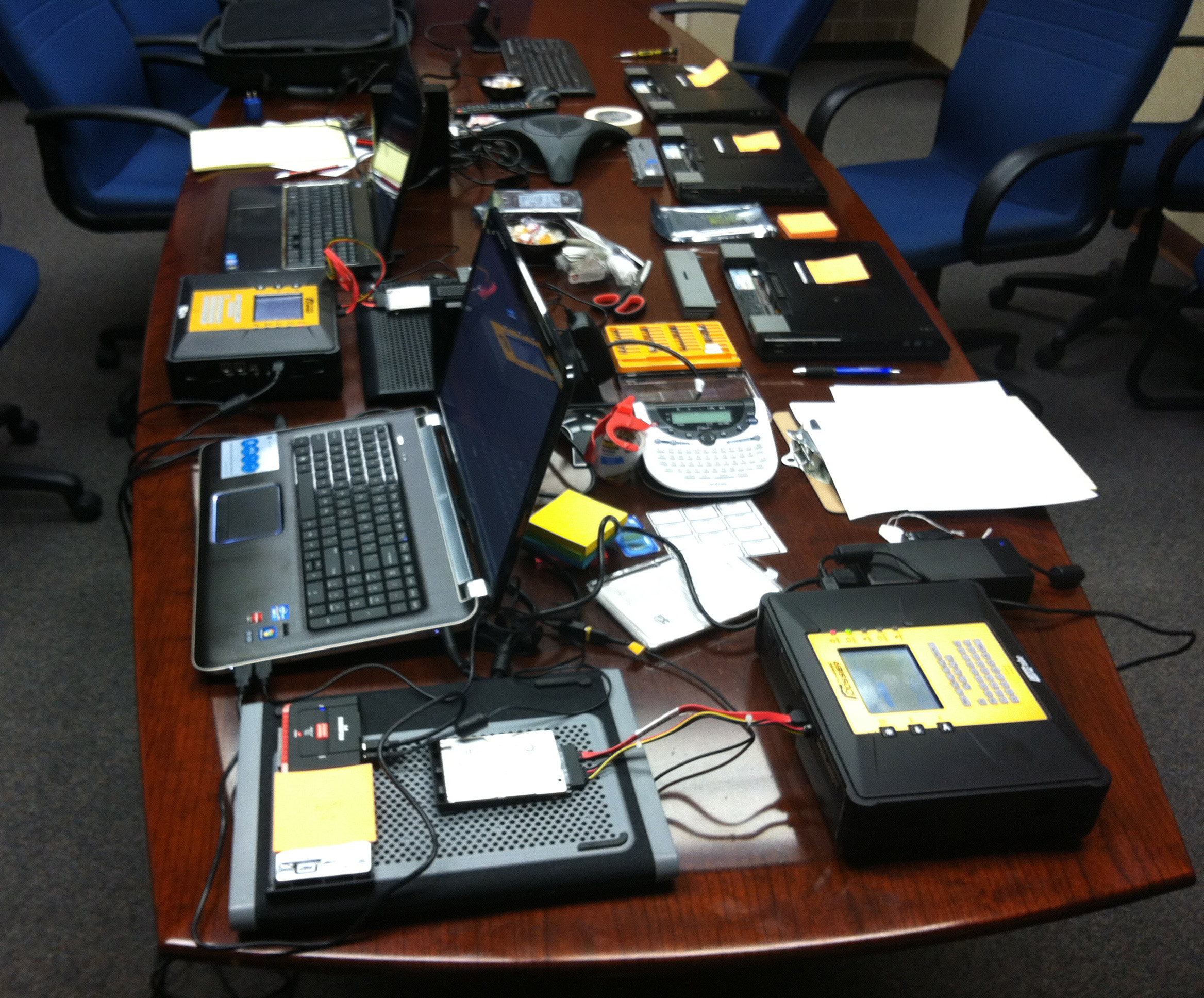
Successful cybercrime investigation utilizes a variety of methods that apply the foundations of forensic computing. One of the key approaches consists of the gathering and protection of computer-based evidence, which is vital for upholding the integrity of the data being evaluated. Investigators use replication tools that create identical duplicates of the digital storage medium, ensuring that the original evidence stays unaltered. This stage is essential for both the legal legitimacy of the investigation and the efficacy of later examination.
Once evidence is acquired, forensic data analysis techniques are employed. Investigators carefully scrutinize the electronic environment to uncover critical information pertaining to the cyber crime. This may entail inspecting file systems, restoring deleted files, or analyzing network traffic to trace unauthorized access or data breaches. By employing specialized forensic tools, experts can recognize patterns, extract relevant data, and create timelines that reveal how and when the crime happened.
Another significant element of cybercrime inquiry is the cooperation with cybersecurity tools. Investigators utilize these tools to strengthen their analysis and improve their understanding of potential weaknesses. They may exploit intrusion detection systems, malware analysis software, and threat intelligence platforms to collect insights into the tactics, techniques, and operations used by cybercriminals. This comprehensive approach not only aids in solving current cases but also aids in formulating strategies to prevent future events.
Resources for Digital Information Analysis
In the realm of digital forensics, choosing the right instruments is crucial for effective forensic data examination. One of the prevalent instruments is EnCase, which provides a thorough platform for acquiring and assessing digital evidence. With its capability to produce bit-by-bit forensic replicas and its easy-to-use interface, EnCase enables analysts to conduct in-depth investigations while ensuring the integrity of the data. Additionally, its extensive reporting capabilities allow analysts to display findings concisely.
Another key instrument is FTK (Forensic Toolkit), which supplies a powerful suite for information analysis and representation. FTK excels in handling significant quantities of data quickly, giving investigators the ability to scan through emails, documents, and other digital artifacts in immediate time. Its special features, such as searching by keywords and file filtering, make it indispensable for cybercrime investigations where speed is of the utmost importance. Moreover, FTK’s database-centric architecture helps enhance efficiency as investigations grow.
Lastly, Autopsy serves as an open-source alternative that delivers robust forensic examination functions at no cost. hacking investigations enables investigators to assess hard disks, restore deleted files, and analyze file systems with simplicity. Autopsy’s flexible design supports various plugins that extend its functionality, making it versatile for different types of investigations. With a solid emphasis on collaboration, Autopsy enables teams to collaborate on cases, boosting the efficiency of forensic data examination in addressing cyber threats.